
EKE UNITE PART ONE: THE STRENGTH OF EKE LIES IN OUR UNITY — OUR IDENTITY, OUR DIFFERENCES AND THE NEED FOR A COMMON VOICE
A Call for Collective Responsibility, Political Unity, Empowerment and a New Direction for Eke
By Ike Enemoh | Eke TV
There comes a time in the life of every community when its people must pause, look inward, and ask themselves some honest and important questions:
Where are we today? Where do we want to be tomorrow? What have we achieved? What opportunities have we missed? And what must we begin to do differently to create a stronger future for our people?
For Eke in Udi Local Government Area, perhaps that time is now.
Not because Eke has failed.
Not because our people have not achieved anything.
And certainly not because we should disregard the contributions of those who have served the community in different capacities.
Rather, it is because Eke is a community of enormous human capacity, history, talent and potential, and there is still so much more that can be achieved when our people unite around a common purpose.
That is the message behind:
EKE UNITE.
It is more than a slogan.
It is a call for reflection.
It is a call for understanding.
It is a call for political maturity.
It is a call for collective responsibility.
And it is a call for Ndi Eke to recognize that, regardless of our differences, we share one home, one identity and one future.
WHEN POLITICAL CAMPAIGNS COME TO EKE
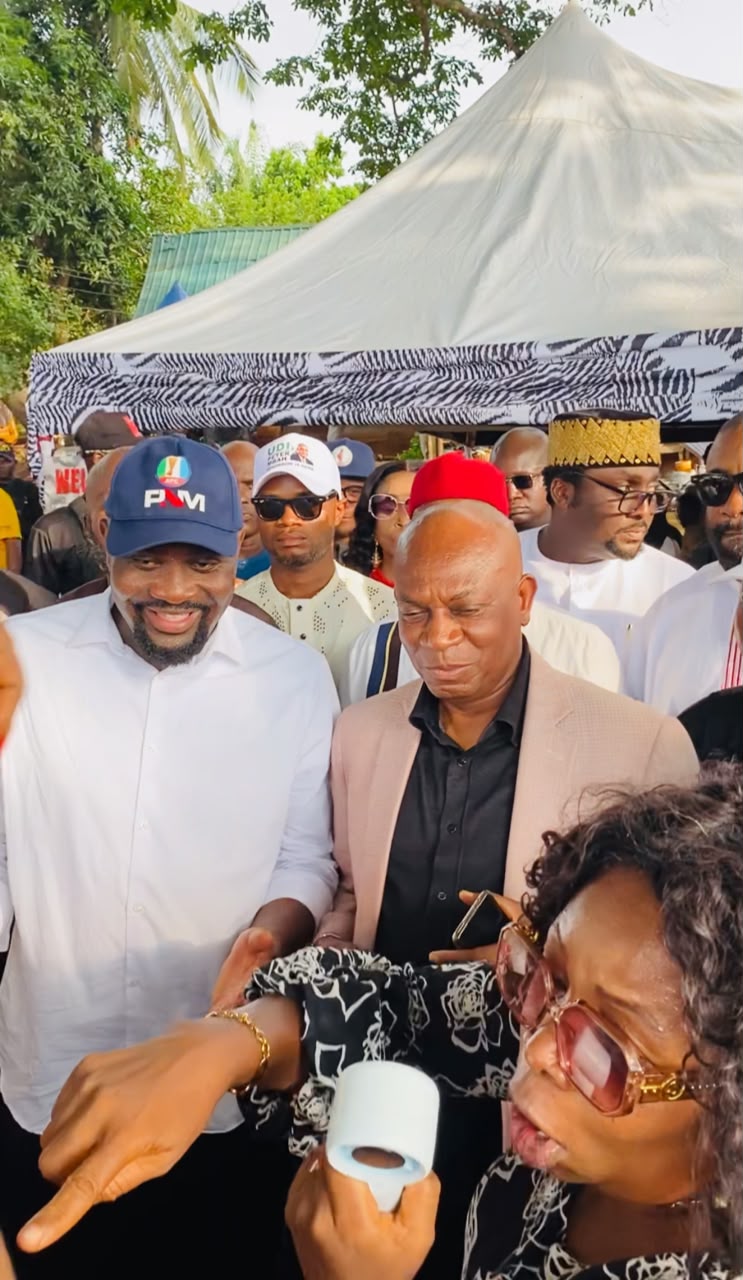
There is something worth reflecting upon whenever political campaigns arrive in Eke.
Politicians come to communities because communities matter.
They come to seek support.
They come to ask for votes.
They come to speak with the people.
They come to mobilize.
They come to make promises.
They come because they recognize that the people of Eke have a voice and that their participation matters.
And Eke has always participated in the political process.
But after the campaign speeches, after the rallies, after the handshakes, after the promises and after the elections, another reality begins.
This is where we must ask ourselves a very important question:
How strongly does Eke speak for itself when the real distribution of political opportunities and government positions begins?
When Eke people are called upon to speak during political gatherings, we should ideally be able to point to a strong and visible history of representation.
We should hear names and positions that demonstrate the extent to which our people have participated in governance — former commissioners, former members of the House of Representatives, former members of the State House of Assembly, former senators, former governors and other significant government and political positions.
Eke has had people in government.
Eke has produced people who have served.
Those contributions should be acknowledged and respected.
But if we look honestly at our history, we may also recognize that the number of high-level positions associated with Eke has not always reflected the size, potential and reputation of the community.
This is not an accusation.
It is not a blame game.
It is not an attempt to diminish anybody who has served.
It is simply an honest reflection on where we are and where we can go from here.
A few positions achieved should not become the ceiling of Eke’s ambition.
For a vast and resourceful community like Eke, there should be room for much more.
The more useful question, therefore, is not:
“Who is responsible for what we have not achieved?”
The better question is:
“What can we collectively do to create more opportunities for Ndi Eke?”
That is the conversation we need.
EKE IS BIGGER THAN POLITICAL PARTIES
One of the greatest tests of community unity is politics.
Politics can unite people.
But politics can also divide them.
A person belongs to one political party.
Another belongs to another.
One person supports a particular candidate.
Another supports a different candidate.
These are legitimate democratic choices.
Nobody should be expected to abandon his or her political convictions simply because we are from the same community.
But there is a difference between political disagreement and community division.
Eke must learn to separate the two.
We can support different political parties and still be brothers and sisters.
We can vote for different candidates and still sit together after the election.
We can disagree over politics without turning our disagreement into permanent hostility.
Political parties will change.
Candidates will come and go.
Governments will change.
Political alliances will shift.
But Eke will remain Eke.
Our community will remain.
Our families will remain.
Our children will remain.
Our shared history will remain.
Therefore, there must be certain issues on which we say:
“We may disagree politically, but we agree on Eke.”
That is political maturity.
VILLAGE SENTIMENTS MUST NOT BECOME A BARRIER
Eke is made up of different villages, families and interests.
These identities are important.
They are part of our history.
They should be respected.
But we must also be careful that legitimate village identity does not become a barrier to collective progress.
When an opportunity comes to Eke, the first question should not always be:
“Which village will benefit?”
We should also ask:
“How can this opportunity strengthen Eke as a whole, and how can its benefits reach our people fairly?”
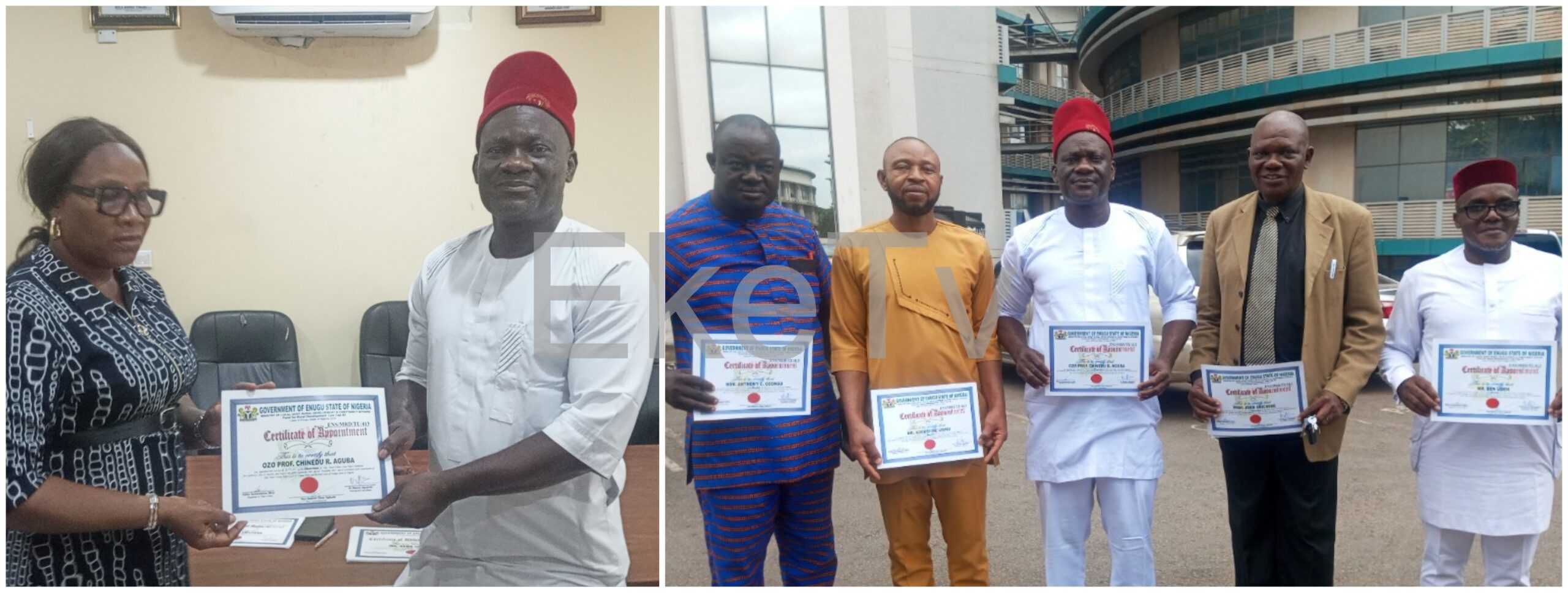
If an Eke son or daughter receives an appointment, it should not merely be considered the achievement of one village.
It should be seen as an opportunity for Eke.
If an Eke person gains access to a powerful political or professional platform, the question should become:
“How can this platform open doors for more Ndi Eke?”
That is how individual success becomes community success.
That is how influence becomes legacy.
TO BE CONTINUED…
In Part Two: “FROM INDIVIDUAL SUCCESS TO COLLECTIVE EMPOWERMENT”, we examine what unity can practically do for Eke, what disunity can continue to cost the community, and the responsibility of Ndi Eke who are already positioned to open doors for others.
EKE UNITE — The strength of Eke lies in our unity.
2 thoughts on “EKE UNITE PART ONE: THE STRENGTH OF EKE LIES IN OUR UNITY — OUR IDENTITY, OUR DIFFERENCES AND THE NEED FOR A COMMON VOICE”